Complete records
Keep attachments, captions and numbering with the source file.
ExploreGive your lawsuits and court filings a clear translation brief. Specify the receiving organization, target language and requirements before ordering.
People first. Clear communication.
Your lawsuits and court filings may contain connected fields that need to remain consistent. The translation brief should identify case captions, numbered pleadings and exhibit references.
Provide a complete, readable source copy and explain whether the result is for review, filing, study or another purpose. Do not replace unclear details with guesses.

The details make the difference
Check the source package before submitting it through the translation portal. A clear file inventory helps the document team quote the intended work.
Keep attachments, captions and numbering with the source file.
ExploreShare the recipient’s instructions for declarations and notarization.
ExploreRequest a quote based on the actual document and language pair.
Explore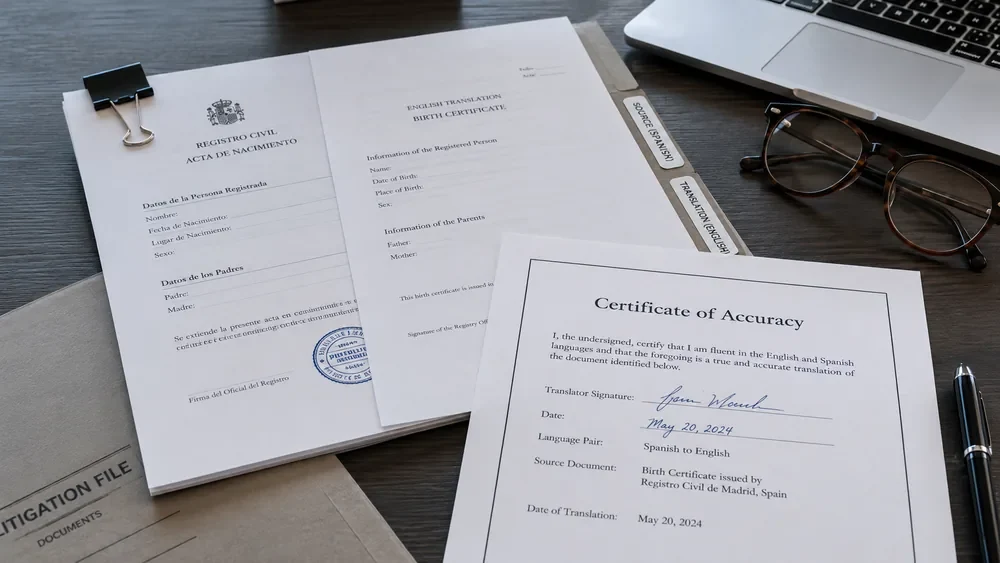
A clear route to language support
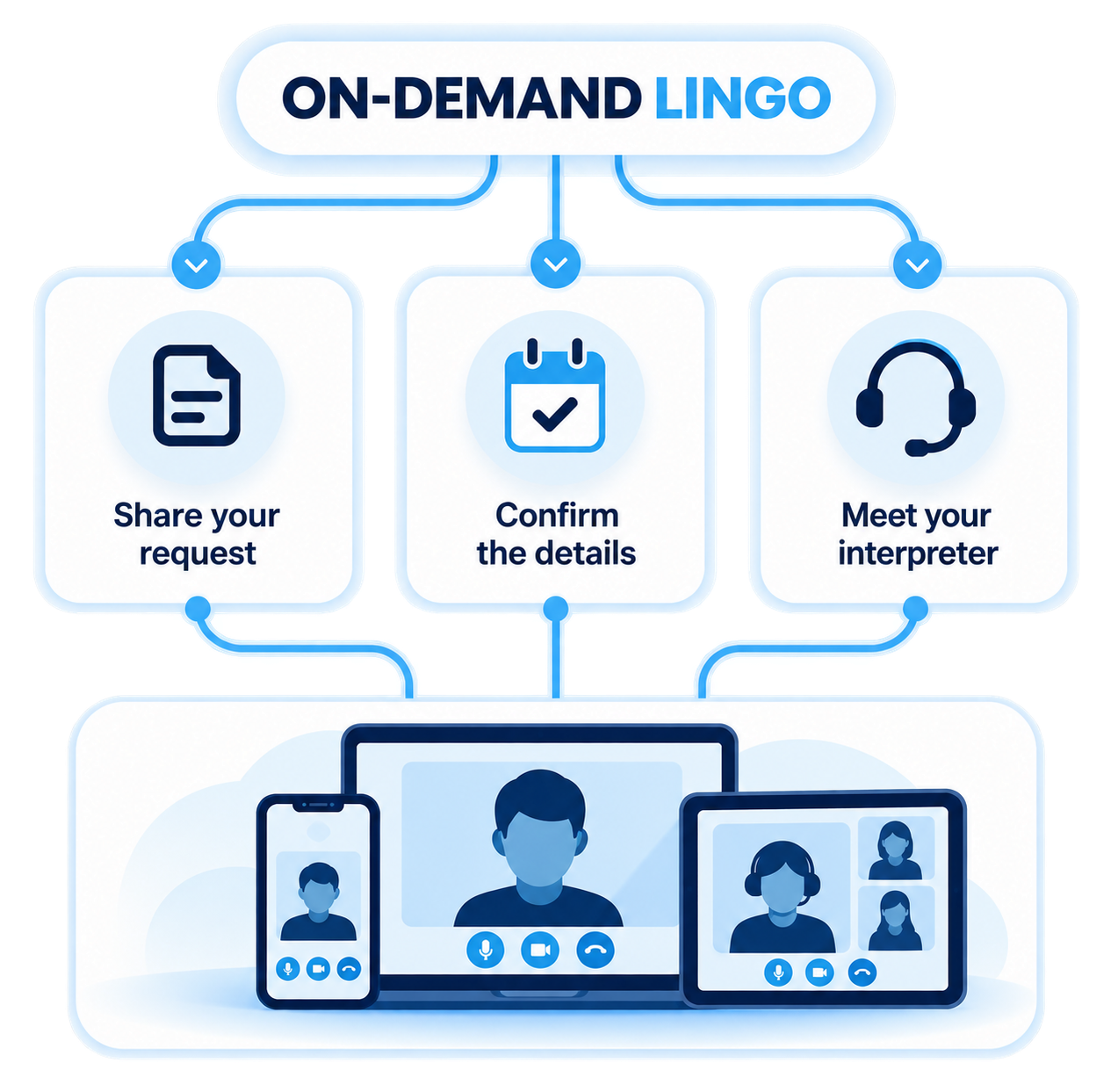
Share the language, service, appointment details and intended outcome. For documents, use the dedicated translation portal.
Review availability, the applicable minimum, timing and any access requirements with the team before proceeding.
Follow your confirmed joining or arrival instructions. Keep the contact person and relevant materials available.
Helpful answers, before you begin
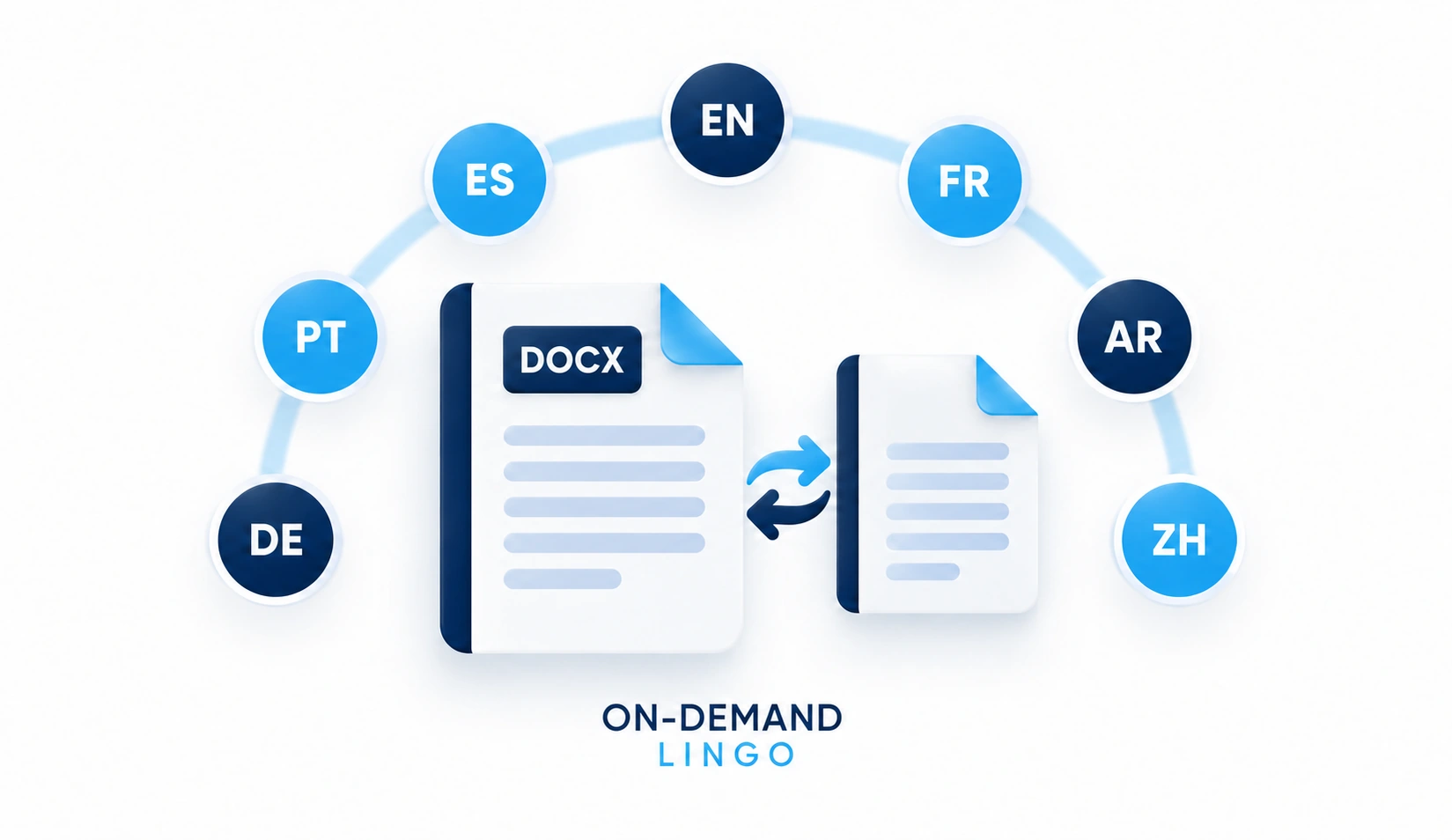
Order document translation through our designated document portal. Specify the source language, target language and intended recipient for your lawsuits and court filings translation.
Supply a legible copy of the complete lawsuits and court filings record, including relevant reverse sides, stamps and attachments. Check case captions, numbered pleadings and exhibit references against the source copy.
Explain the recipient’s certification instructions when ordering lawsuits and court filings translation. The required statement and any translator qualification should be agreed before work begins.
Get an instant document translation quote. The lawsuits and court filings translation estimate depends on the language pair, file length, layout and requested formalities.
The document team confirms a delivery estimate after reviewing your lawsuits and court filings translation scope. Interpreting notice periods do not set document turnaround times.
No. lawsuits and court filings translation conveys the written content; notarization is a separate formal act. Share the recipient’s exact instructions through the document portal.
OnDemandLingo accepts lawsuits and court filings translation enquiries for your destination. Acceptance and translator eligibility are determined by the receiving institution.
Tell the document team which tables, numbered fields and layout features matter for lawsuits and court filings translation. Editable source files help when they are available.
Provide established spellings and reference identifiers with your lawsuits and court filings translation order. Ask for clarification rather than guessing at unclear source text.
Use your document order contact and identify the relevant page in the lawsuits and court filings translation. Explain the difference between an original-source revision and a translation correction.

Let’s make the next conversation count
Send your source files through the document portal for a tailored translation estimate.
Related translation services
Identify the passport pages requested by the recipient, including relevant stamps or annotations, without omitting essential identity fields.
ExploreRequest an urgent review of your official records. Same-day delivery must be confirmed for the actual language pair and document scope.
ExploreWhere a recipient requires a sworn or specifically authorized translator, discuss that requirement before ordering. Availability depends on the destination and language.
ExploreInclude the country of issue, established name spellings and recipient instructions with your Spanish source records.
ExploreShare company terminology and audience expectations for business plans, registrations, reports and corporate communications.
ExploreInclude the full registry record and explain the intended administrative, family or estate-related use.
Explore